Persecuted Refugees
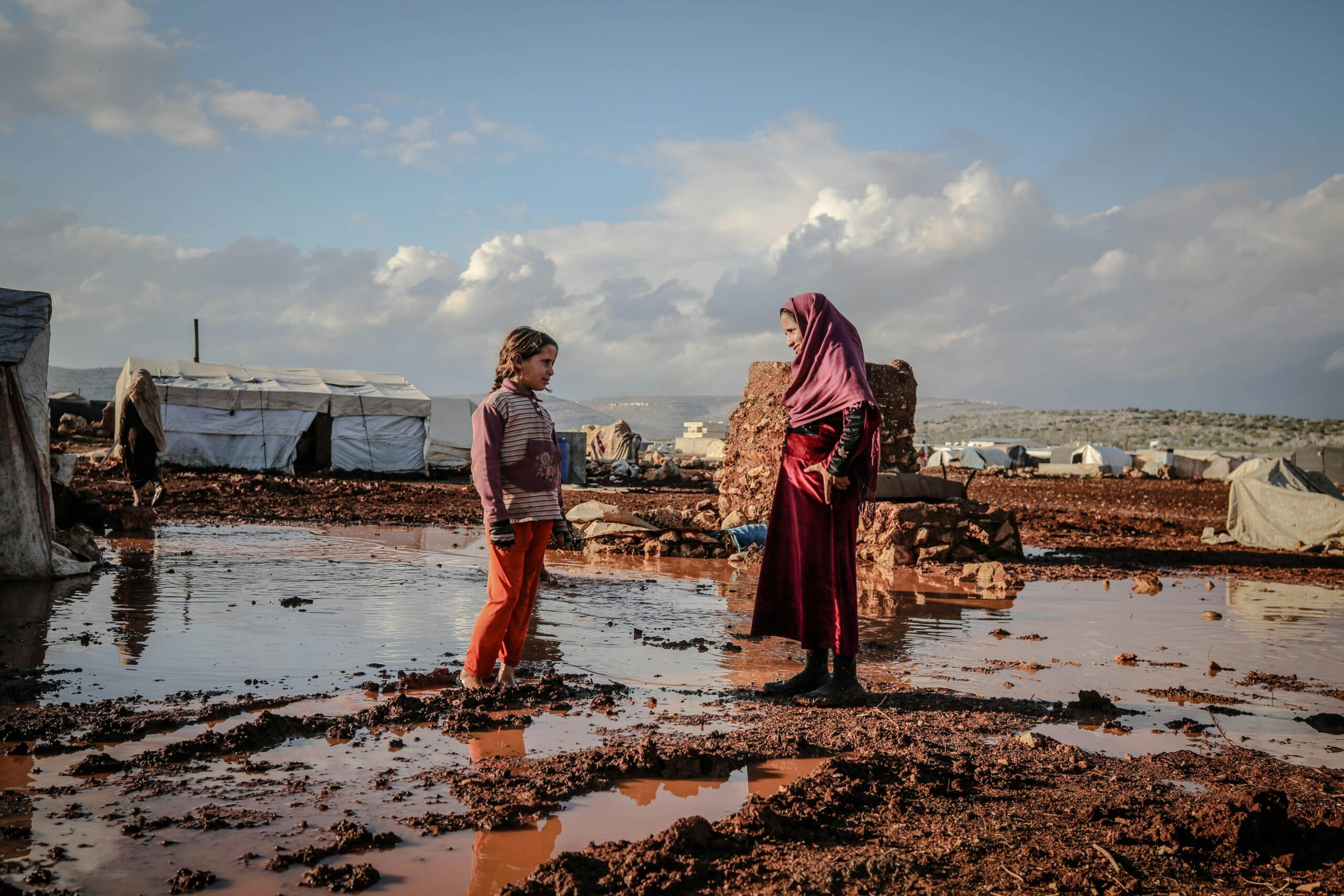
Persecuted refugees face some of the harshest conditions on earth. Many are forced to flee their homes because of religious beliefs, ethnicity, political views, or simply because they belong to a minority group that makes them a target for violence.
They often leave with nothing, no documents, no possessions, and no safety net. Once displaced, they can spend years in limbo, trapped in overcrowded camps or hiding in foreign countries without legal status. Access to education, medical care, food security, and employment is severely limited, and the constant threat of deportation or exploitation hangs over them.
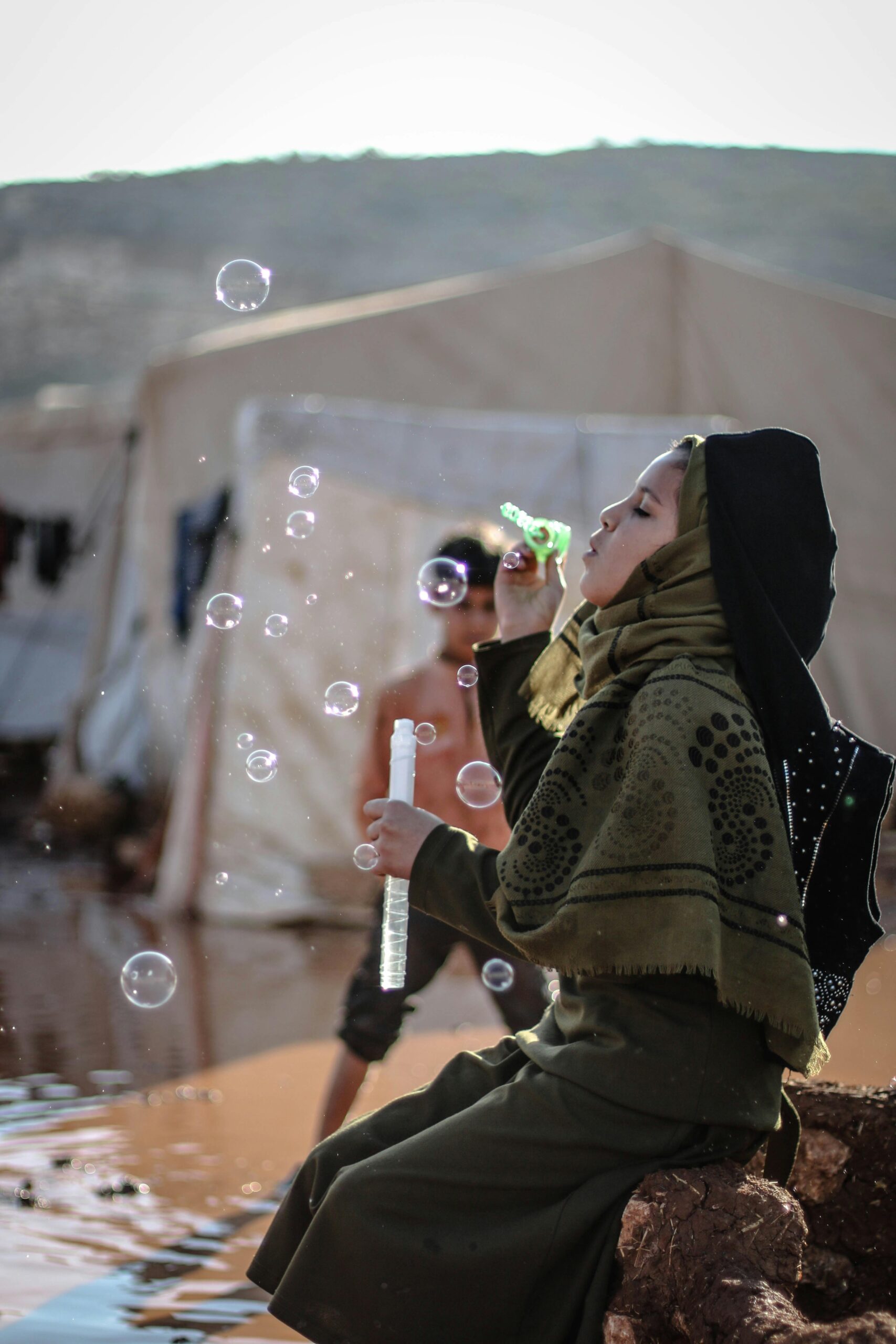
Children are especially vulnerable; without protection, they are at high risk of being trafficked, forced into labor or early marriage, or recruited by extremist or criminal networks. The trauma of loss, displacement, and fear can last a lifetime.
Yet there are pathways that can break this cycle. Short-term help includes emergency aid like shelters, food packs, trauma counseling, and legal protection that helps refugees apply for asylum or humanitarian visas.
Medium-term support builds stability: sponsoring children back into school, job training for adults, relocation assistance, and safe housing programs for families fleeing danger.
Long-term solutions involve partnerships with governments, NGOs, and churches to create community integration programs, educational opportunities, and employment pipelines so refugees are not just surviving, but rebuilding.
Individuals, nonprofits, and organizations can help by sponsoring a refugee family, supporting trusted rescue and relocation programs financially, advocating for protective policy change, partnering with vetted groups on the ground, and raising awareness so the hidden crisis is not ignored.
Every effort whether large or small chips away at the injustice and helps turn persecution into possibility.

Prevention

Rescue